



Stainless Steel Pins: A Sustainable Choice for Fastening Solutions
2025-10-20
Stainless Steel Pins: A Sustainable Choice for Fastening Solutions
Table of Contents
1. Introduction to Stainless Steel Pins
2. The Importance of Sustainable Fastening Solutions
3. Benefits of Using Stainless Steel Pins
3.1 Durability and Corrosion Resistance
3.2 Versatility in Applications
3.3 Environmental Benefits
4. Types of Stainless Steel Pins
4.1 Solid Pins
4.2 Hollow Pi
Stainless Steel Pins: A Sustainable Choice for Fastening Solutions
Table of Contents
1. Introduction to Stainless Steel Pins
2. The Importance of Sustainable Fastening Solutions
3. Benefits of Using Stainless Steel Pins
3.1 Durability and Corrosion Resistance
3.2 Versatility in Applications
3.3 Environmental Benefits
4. Types of Stainless Steel Pins
4.1 Solid Pins
4.2 Hollow Pins
4.3 Tapered Pins
5. Applications of Stainless Steel Pins in Various Industries
5.1 Automotive Industry
5.2 Construction and Civil Engineering
5.3 Medical Devices
6. Comparison with Other Fastening Solutions
7. Maintenance and Care of Stainless Steel Pins
8. FAQs about Stainless Steel Pins
9. Conclusion
1. Introduction to Stainless Steel Pins
Stainless steel pins play an essential role in various fastening applications across multiple industries. As a form of fastener, they are designed to secure two or more components together, ensuring structural integrity and function. Their composition, typically involving a combination of chromium and nickel, grants them remarkable properties that make them a preferred choice for many applications.
2. The Importance of Sustainable Fastening Solutions
In today’s environmentally conscious market, the demand for sustainable materials and solutions is on the rise. Companies are increasingly seeking products that not only perform well but also have a reduced environmental impact. Fastening solutions, such as stainless steel pins, offer a way to meet these demands through their longevity, recyclability, and reduced need for replacement over time.
3. Benefits of Using Stainless Steel Pins
When considering fastening solutions, the advantages of stainless steel pins stand out remarkably.
3.1 Durability and Corrosion Resistance
One of the most significant benefits of stainless steel pins is their exceptional durability. The corrosion resistance of stainless steel is primarily due to the presence of chromium, which forms a passive layer of chromium oxide on the surface. This layer prevents rust and degradation, making stainless steel pins ideal for use in harsh environments, including marine and industrial settings.
3.2 Versatility in Applications
Stainless steel pins can be utilized in a variety of applications, from securing automotive components to fastening structural elements in construction. Their adaptability allows for effective use in diverse environments, including those requiring high temperatures or exposure to chemicals.
3.3 Environmental Benefits
Sustainability is not just a trend; it’s a necessity. Stainless steel pins contribute positively to environmental sustainability. They are fully recyclable, which means that at the end of their life cycle, they can be repurposed into new products. Additionally, their longevity reduces waste and the frequency of replacements, minimizing the overall material consumption.
4. Types of Stainless Steel Pins
Understanding the different types of stainless steel pins can help in selecting the right one for your application.
4.1 Solid Pins
Solid pins are straightforward in design and are typically used for permanent fastening solutions. They offer a high level of strength and are often used in applications where durability is paramount.
4.2 Hollow Pins
Hollow pins are lighter than solid pins and are often used in applications where weight is a concern without compromising strength. They can also be used for applications requiring a passage for fluid or air.
4.3 Tapered Pins
Tapered pins are designed to fit into holes that are slightly larger at one end than the other, providing a tight fit. These are particularly useful in applications where alignment and precision are critical.
5. Applications of Stainless Steel Pins in Various Industries
The versatility of stainless steel pins makes them suitable for numerous industries.
5.1 Automotive Industry
In the automotive industry, stainless steel pins are used in various applications, including engine components, suspension systems, and bodywork. Their resistance to corrosion ensures that they maintain integrity in challenging environments.
5.2 Construction and Civil Engineering
Stainless steel pins are essential in construction, where they are used to secure structural components, ensuring safety and longevity in buildings and infrastructure.
5.3 Medical Devices
In the medical field, stainless steel pins are utilized in devices and implants due to their biocompatibility and ease of sterilization. This makes them ideal for surgical applications and equipment.
6. Comparison with Other Fastening Solutions
When comparing stainless steel pins with other fastening solutions, several factors come into play, including strength, corrosion resistance, and environmental impact. While materials like plastic or carbon steel may be more affordable upfront, the long-term benefits of stainless steel pins, such as reduced maintenance and longer lifespan, often outweigh initial costs.
7. Maintenance and Care of Stainless Steel Pins
To ensure the longevity of stainless steel pins, proper maintenance is essential. Regular inspections can help identify wear or corrosion early, while cleaning with appropriate non-abrasive agents can maintain their appearance and functionality. It’s also advisable to avoid using them in environments where they may be exposed to harsh chemicals unless specifically rated for such use.
8. FAQs about Stainless Steel Pins
8.1 What are stainless steel pins made from?
Stainless steel pins are primarily made from an alloy containing chromium, nickel, and iron, which provides their characteristic durability and resistance to corrosion.
8.2 Are stainless steel pins suitable for outdoor use?
Yes, stainless steel pins are highly suitable for outdoor applications due to their corrosion resistance.
8.3 How do I choose the right type of stainless steel pin?
Choosing the right type of stainless steel pin depends on your specific application requirements, including strength, weight, and exposure to environmental factors.
8.4 Can stainless steel pins be reused?
While stainless steel pins can be reused, it’s essential to inspect them for any signs of wear or damage before reinstallation.
8.5 What industries commonly use stainless steel pins?
Common industries using stainless steel pins include automotive, construction, medical, aerospace, and manufacturing.
9. Conclusion
In summary, stainless steel pins represent a sustainable choice for fastening solutions due to their durability, corrosion resistance, versatility, and environmental benefits. Their applications across various industries demonstrate their reliability and effectiveness in ensuring structural integrity. By opting for stainless steel pins, companies can meet sustainability goals while benefiting from a long-lasting fastening solution that performs well under diverse conditions. Investing in stainless steel pins is not only a smart choice but also a step towards a more sustainable future.
Key words:
RELATED INFORMATION
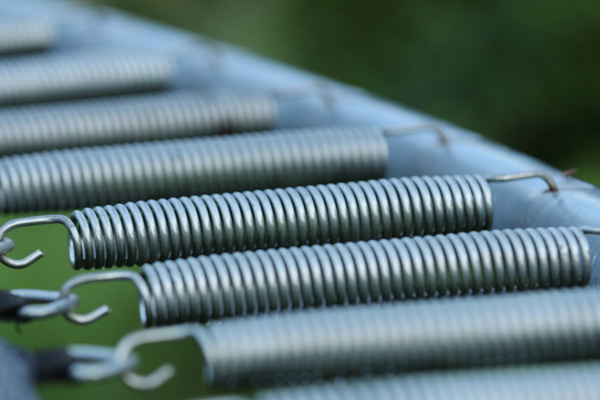
We know that within the elastic limit, the elongation (or contraction) of the spring is proportional to the external force.
2024-05-22
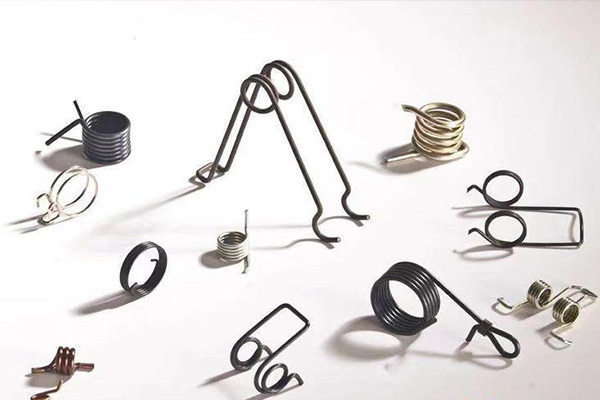
The current pattern of the spring industry
For the spring industry, for a long time, there has been an oversupply of low-grade ordinary springs.
2024-05-22
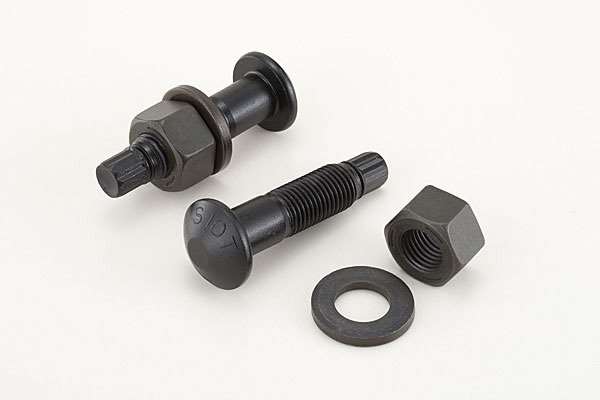
What material is generally used for high-strength bolts?
The upper limit of the tensile strength of the material used in high-strength bolts has a lot to do with the quenching treatment.
2024-05-22


Service E-mail
Service TEL
Address
Handan City, Hebei Province, China
To inquire about our products, please leave your email to us and we will contact you within 24 hours.
