



Breaking Down the Cost-Benefit Analysis of Embedded Parts in Industrial Equipment
2025-10-12
Breaking Down the Cost-Benefit Analysis of Embedded Parts in Industrial Equipment
Table of Contents
Introduction to Embedded Parts in Industrial Equipment
Understanding Embedded Parts
The Role of Fasteners and Connectors
Cost Considerations of Embedded Parts
Benefits of Using Embedded Parts in Manufacturing
Framework for Cost-Benefit Analysis
Real-World Case Studies
Breaking Down the Cost-Benefit Analysis of Embedded Parts in Industrial Equipment
Table of Contents
- Introduction to Embedded Parts in Industrial Equipment
- Understanding Embedded Parts
- The Role of Fasteners and Connectors
- Cost Considerations of Embedded Parts
- Benefits of Using Embedded Parts in Manufacturing
- Framework for Cost-Benefit Analysis
- Real-World Case Studies
- Best Practices in Implementing Embedded Parts
- Future Trends in Embedded Parts
- Conclusion
- Frequently Asked Questions (FAQs)
Introduction to Embedded Parts in Industrial Equipment
Embedded parts play a significant role in the efficiency and performance of industrial equipment. These components are integrated into machinery and vehicles to improve functionality, durability, and overall productivity. In industries ranging from automotive to manufacturing, understanding the **cost-benefit analysis** of embedded parts is crucial for making informed decisions that align with organizational goals.
Understanding Embedded Parts
Embedded parts are defined as components that are integrated within a larger system, often influencing the overall performance and reliability of that system. These may include fasteners, connectors, and other critical components that ensure the seamless operation of machinery.
The Importance of Quality in Embedded Parts
When selecting embedded parts, it is essential to consider quality. High-quality parts can lead to lower failure rates, reduced maintenance costs, and enhanced performance. Conversely, low-quality embedded parts can result in increased downtime and higher operational costs.
Types of Embedded Parts
There are several types of embedded parts, including:
- Fasteners: Bolts, screws, nuts, and washers that hold components together.
- Connectors: Devices that facilitate electrical connections within equipment.
- Other components: Various specialized parts that contribute to the functionality of machinery.
The Role of Fasteners and Connectors
Fasteners and connectors are critical to the performance of embedded parts. They ensure that components remain securely attached and facilitate necessary connections for functionality. The choice of fasteners and connectors can significantly impact the overall cost and efficiency of a project.
Fasteners: Types and Applications
Different types of fasteners are suited for different applications. For instance, **screws** are often used for joining materials together, while **bolts** are ideal for high-strength applications. The right fastener not only ensures structural integrity but also reduces the overall cost of production by minimizing the need for repairs.
Connectors: Enhancing Electrical Systems
Connectors are vital for electrical systems in industrial equipment. They enable communication between various components and systems, ensuring that machinery operates efficiently. The proper selection of connectors can lead to reductions in maintenance costs and improvements in system reliability.
Cost Considerations of Embedded Parts
When analyzing the cost of embedded parts, it is essential to consider both direct and indirect costs. Direct costs include the purchase price of parts, while indirect costs encompass maintenance, downtime, and the overall impact on productivity.
Direct Costs: Purchasing and Installation
The upfront cost of embedded parts can vary widely based on quality, type, and supplier. It is crucial to evaluate the total cost of ownership rather than just the initial purchase price, as high-quality embedded parts may lead to lower long-term costs due to enhanced durability and performance.
Indirect Costs: Maintenance and Downtime
Indirect costs can significantly affect the overall cost-benefit analysis. Poor-quality embedded parts can lead to increased maintenance needs and unscheduled downtime, which can be costly in terms of lost productivity and repair expenses.
Benefits of Using Embedded Parts in Manufacturing
The advantages of using embedded parts are numerous and can have a profound impact on operational efficiency and product quality.
Increased Efficiency and Productivity
Embedded parts can enhance the efficiency of machinery by improving operational performance. When machinery operates smoothly, it can handle more work in less time, thus boosting overall productivity.
Enhanced Reliability and Durability
High-quality embedded parts contribute to the reliability and durability of industrial equipment. This leads to fewer breakdowns and a longer lifespan for machinery, which translates to cost savings over time.
Improved Safety Standards
Embedded parts that meet stringent quality standards contribute to safer machinery operation. This is particularly important in industries where equipment failure can lead to hazardous situations.
Framework for Cost-Benefit Analysis
A structured framework for conducting a cost-benefit analysis of embedded parts can aid decision-makers in evaluating their options effectively.
Identify Costs and Benefits
The first step is to clearly identify all associated costs and benefits. This includes direct costs (purchase and installation) and indirect costs (maintenance and downtime), as well as tangible benefits (increased productivity) and intangible benefits (improved safety).
Quantify Costs and Benefits
Once identified, it is crucial to quantify these costs and benefits. This can involve calculating expected returns, assessing potential savings, and determining the overall impact on production.
Evaluate Options
After quantifying, decision-makers can evaluate different options based on their cost-benefit ratios. This comparison helps in selecting the best embedded parts for specific applications.
Real-World Case Studies
Examining real-world case studies can provide valuable insights into the cost-benefit dynamics of embedded parts in various industries.
Case Study 1: Automotive Industry
In the automotive sector, manufacturers that invested in high-quality embedded parts recorded a significant reduction in vehicle recalls due to component failures. This not only saved costs associated with recalls but also improved customer satisfaction.
Case Study 2: Manufacturing Sector
A manufacturing firm that replaced low-quality fasteners with high-quality alternatives experienced a 30% decrease in production downtime. The switch not only improved efficiency but also resulted in substantial cost savings over time.
Best Practices in Implementing Embedded Parts
To maximize the benefits of embedded parts, organizations must adopt best practices in their implementation.
Thorough Research and Selection
Conducting thorough research before selecting embedded parts is crucial. Organizations should consider factors such as compatibility with existing systems, performance metrics, and supplier reliability.
Regular Maintenance and Inspection
Implementing a regular maintenance and inspection schedule can help organizations identify potential issues with embedded parts before they lead to significant problems. This proactive approach can prevent costly downtime.
Future Trends in Embedded Parts
As technology advances, the landscape of embedded parts is constantly evolving.
Smart Embedded Parts
The rise of smart technologies is leading to the development of embedded parts that offer enhanced monitoring capabilities. These smart components can provide real-time data on performance, allowing for predictive maintenance and improved operational efficiency.
Sustainable Materials
There is a growing trend towards using sustainable materials in the production of embedded parts. As industries face increasing pressure to adopt environmentally friendly practices, this shift can improve a company’s sustainability profile while meeting regulatory requirements.
Conclusion
In conclusion, the cost-benefit analysis of embedded parts is a critical aspect of decision-making in the industrial equipment sector. By understanding the various costs, benefits, and best practices associated with embedded parts, organizations can make informed decisions that enhance efficiency, reliability, and profitability. As the industry evolves, staying ahead of trends and innovations will be vital for maintaining a competitive edge.
Frequently Asked Questions (FAQs)
What are embedded parts in industrial equipment?
Embedded parts are components integrated within machinery to enhance performance and reliability, including fasteners, connectors, and other critical elements.
How do embedded parts affect the cost of industrial equipment?
Embedded parts can influence both direct costs (purchase and installation) and indirect costs (maintenance and downtime), impacting the total cost of ownership.
What are the key benefits of using high-quality embedded parts?
High-quality embedded parts lead to increased efficiency, enhanced reliability, improved safety standards, and reduced maintenance costs.
How can organizations evaluate the cost-benefit of embedded parts?
Organizations can conduct a structured cost-benefit analysis by identifying, quantifying, and comparing costs and benefits associated with different embedded parts.
What future trends should we expect in embedded parts?
Expect advancements in smart technologies for enhanced monitoring and a shift towards sustainable materials in the production of embedded parts, driven by environmental considerations.
This comprehensive analysis aims to equip decision-makers with the knowledge they need to make informed choices about embedded parts, ensuring their organizations can thrive in an ever-evolving industrial landscape.
Key words:
RELATED INFORMATION
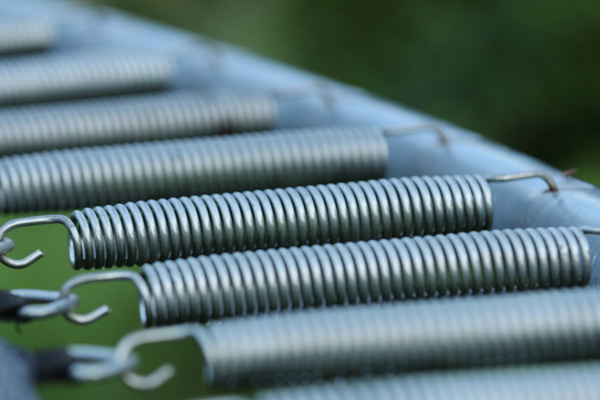
We know that within the elastic limit, the elongation (or contraction) of the spring is proportional to the external force.
2024-05-22
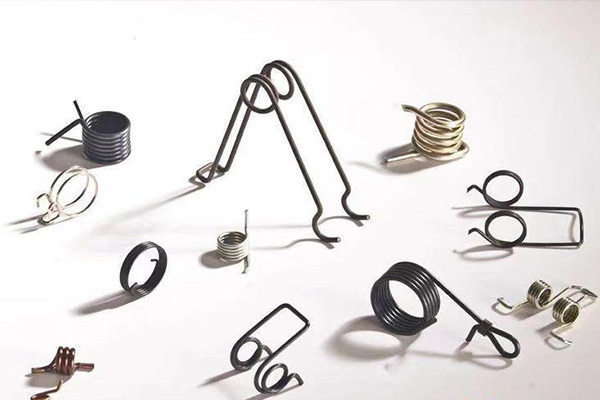
The current pattern of the spring industry
For the spring industry, for a long time, there has been an oversupply of low-grade ordinary springs.
2024-05-22
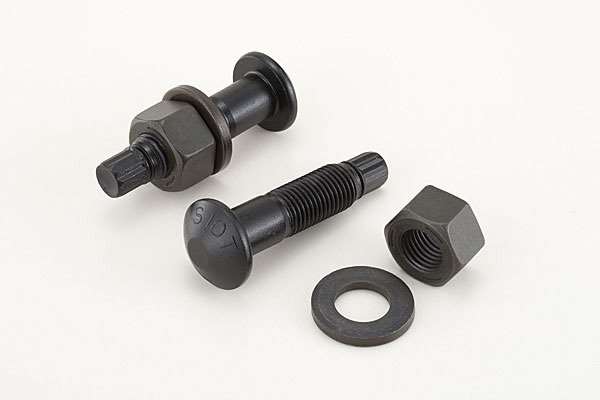
What material is generally used for high-strength bolts?
The upper limit of the tensile strength of the material used in high-strength bolts has a lot to do with the quenching treatment.
2024-05-22


Service E-mail
Service TEL
Address
Handan City, Hebei Province, China
To inquire about our products, please leave your email to us and we will contact you within 24 hours.
